The Hamptons coastal environment is both beautiful and challenging for plants. Salt spray, sandy soils, strong winds, and intense sun create conditions that many common garden plants cannot tolerate. Selecting the right plants is one of the most important decisions you can make for the long-term success and beauty of your coastal landscape.
1. Understanding Coastal Challenges
Before selecting plants, it's essential to understand the unique stressors your coastal property presents. The combination of environmental factors makes planting in The Hamptons fundamentally different from inland landscapes. Key challenges include:
- Salt spray deposited by ocean winds that coats and damages leaf surfaces
- Sandy, fast-draining soils with low nutrient and moisture retention
- Strong prevailing winds that increase plant transpiration and cause physical damage
- Intense reflected heat and sun, especially near light-colored hardscapes
2. Salt Tolerance: The Primary Filter
Salt spray is perhaps the most significant challenge for coastal plantings. When salt-laden air contacts plant foliage, it draws moisture out of leaf cells through osmosis, causing leaf scorch, tip burn, and in severe cases, complete dieback. Plants that succeed in these conditions have evolved specific adaptations:
Waxy or leathery leaf coatings that repel salt, small leaf surfaces that reduce exposure, and deep root systems that access fresher groundwater are all common traits of salt-tolerant species. When selecting plants for oceanfront or near-ocean properties, prioritize these native and naturalized species above all others.
3. Recommended Coastal Plants
The following plants have proven track records in Hamptons coastal landscapes. They offer a range of forms, textures, and seasonal interest while reliably tolerating the demanding conditions of the shoreline environment.
Beach Plum
Shrub · Height: 6-8 feet
Fragrant white spring flowers, edible fruit, excellent salt tolerance
Bayberry
Shrub · Height: 5-10 feet
Aromatic foliage, gray berries, nitrogen-fixing
Rosa rugosa (Beach Rose)
Shrub · Height: 4-6 feet
Fragrant blooms, bright red hips, extremely salt tolerant
Miscanthus (Maiden Grass)
Ornamental Grass · Height: 4-8 feet
Graceful plumes, movement in coastal winds
Lavender
Perennial · Height: 1-3 feet
Fragrant purple flowers, silver foliage, drought tolerant
Yucca filamentosa
Perennial · Height: 2-3 feet
Dramatic spiky foliage, tall white flower spikes
4. Soil Amendment for Coastal Planting
Even the most salt-tolerant plants will struggle in the nutrient-poor, fast-draining sandy soils typical of The Hamptons without proper soil preparation. Before planting, incorporate generous amounts of compost or aged organic matter to improve water and nutrient retention. For shrub and tree plantings, dig holes two to three times wider than the root ball and amend the backfill with compost at a ratio of roughly one part organic matter to two parts native soil.
5. Creating Windbreaks and Shelter Zones
Strategic planting of salt-tolerant shrubs and trees as windbreaks can dramatically expand the range of plants you can grow on your property. By creating sheltered microclimates, a well-designed windbreak reduces wind speed, lowers salt deposition, and moderates temperature extremes in the protected zone behind it.
Effective windbreak plants for The Hamptons include American holly, Eastern red cedar, and rugosa roses. Plant these as a layered buffer on the windward side of your property, then use the sheltered interior zones for more ornamental, less salt-tolerant selections.
6. Mulching and Water Management
Mulching is especially important in coastal gardens. A 3-inch layer of organic mulch around all plantings conserves the moisture that sandy soils so quickly lose, moderates soil temperature, and suppresses weeds that compete for limited nutrients. Avoid piling mulch against plant stems, which promotes rot and pest habitat.
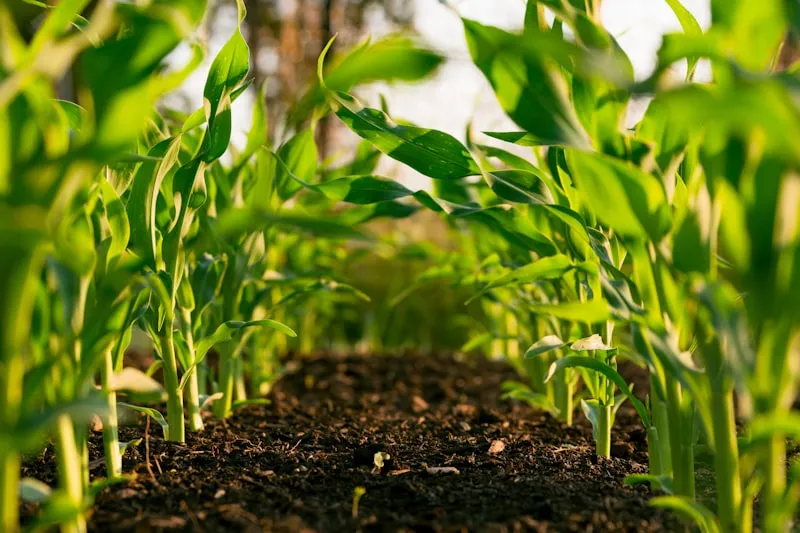
7. Irrigation Considerations
Even drought-tolerant coastal plants require supplemental irrigation during their establishment period—typically the first one to two growing seasons. A drip irrigation system delivers water directly to root zones, minimizing waste and avoiding wetting foliage, which can exacerbate salt damage and fungal issues.
Once established, many native and naturalized coastal plants require little to no supplemental irrigation, significantly reducing long-term maintenance costs and water usage.
Professional Plant Selection Makes a Difference
While understanding coastal planting principles is valuable, translating that knowledge into a cohesive, beautiful landscape requires experience and local expertise. At Crespo Landscaping, we conduct thorough site assessments to evaluate salt exposure, soil conditions, drainage, and sun patterns before recommending any planting plan.
Our team handles everything from soil testing and amendment to plant selection, installation, and irrigation design, ensuring your coastal landscape thrives for years to come.