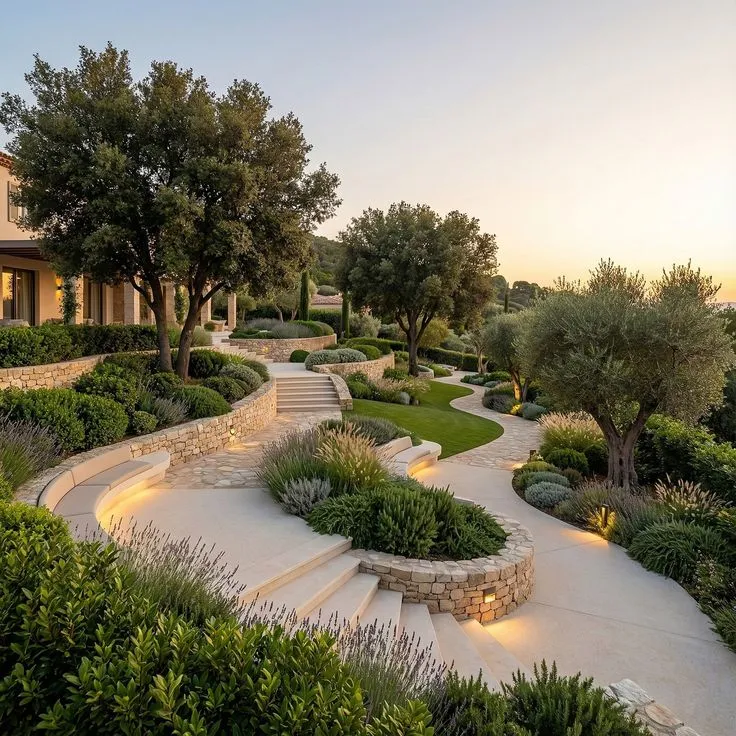
As the harsh winter months give way to the gentle warmth of spring in The Hamptons, it's time to shift focus to preparing your landscape for the growing season ahead. Spring is a critical time for property owners—the care you provide now will determine how your landscape performs throughout the summer and fall.
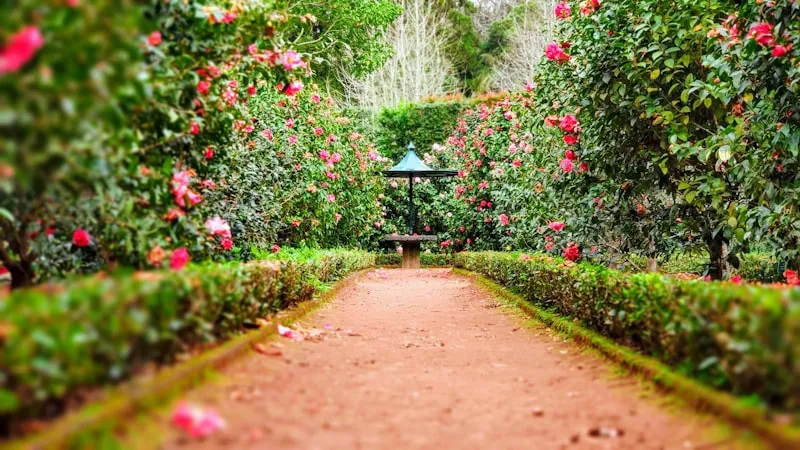
1. Assess Winter Damage
Begin by conducting a thorough walkthrough of your property. Winter can be harsh on Hamptons landscapes, with salt spray from the ocean, freezing temperatures, and heavy snow potentially damaging plants, hardscapes, and irrigation systems. Look for:
- Dead or damaged branches on trees and shrubs that need pruning
- Plants showing signs of salt damage from winter road treatments or ocean spray
- Cracked or shifted pavers, retaining walls, and hardscape features
- Erosion or drainage issues that developed over winter
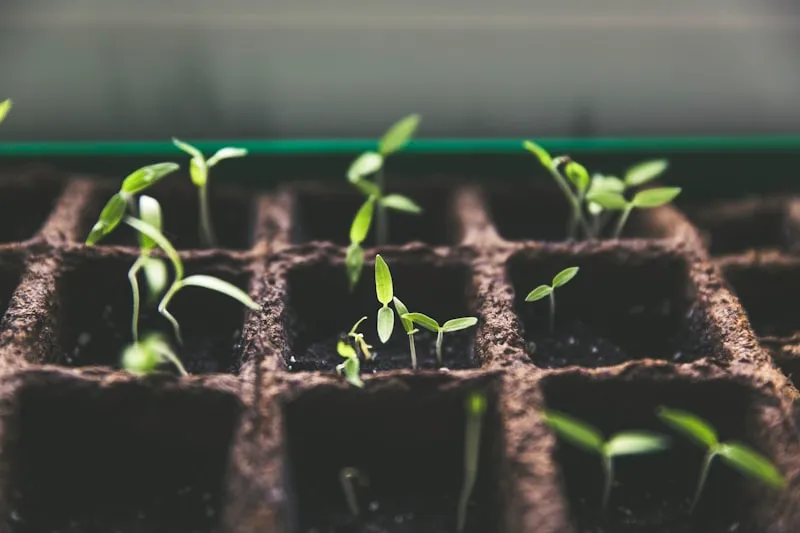
2. Spring Cleanup and Debris Removal
A comprehensive spring cleanup is essential for both aesthetic appeal and plant health. Remove all fallen leaves, dead plant material, and winter debris from beds, lawns, and hardscapes. This cleanup serves multiple purposes:
First, it removes harboring sites for pests and diseases that may have overwintered in plant debris. Second, it allows sunlight and air to reach the soil surface, promoting earlier warming and preventing fungal issues. Finally, it gives you a clean slate to assess what needs attention before the growing season begins in earnest.
Pay special attention to clearing drainage areas, gutters, and downspouts to ensure proper water flow during spring rains.
3. Soil Preparation and Testing
The sandy, often depleted soils common in The Hamptons require annual attention. Spring is the ideal time to test your soil's pH and nutrient levels. The coastal environment typically results in acidic soil, which may need lime application to raise pH for most ornamental plants.
Amend your beds with high-quality compost or aged manure to improve soil structure, water retention, and nutrient availability. For Hamptons properties, incorporating organic matter is particularly important as it helps sandy soil retain moisture and nutrients that would otherwise leach away.
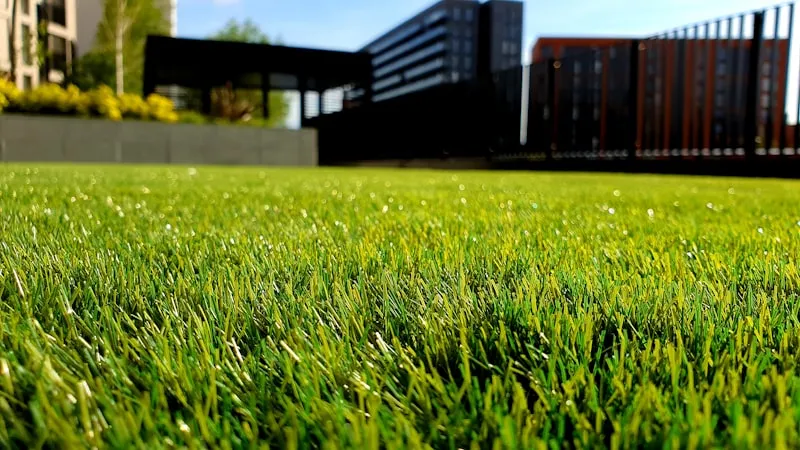
4. Pruning and Plant Care
Early spring, before new growth emerges, is the optimal time for pruning most shrubs and trees. Remove dead, diseased, or crossing branches to improve plant health and appearance. For spring-flowering shrubs like forsythia and lilac, wait until after they bloom to prune, as they set their flower buds on old wood.
Cut back ornamental grasses and perennials that weren't pruned in fall. Divide overcrowded perennials to maintain vigor and create new plants for other areas of your landscape.
5. Lawn Renovation
Spring is an excellent time for lawn care in The Hamptons. Begin with dethatching and aerating to break up compacted soil and remove the layer of dead grass that accumulates over time. This is especially important in high-traffic areas and on properties with clay content in the soil.
Overseed thin or bare areas with a grass seed blend suited to The Hamptons' coastal climate—typically a mix of perennial ryegrass, fine fescue, and Kentucky bluegrass. These varieties tolerate the salt spray and fluctuating conditions common in coastal areas.
Apply a slow-release fertilizer appropriate for your grass type, following soil test recommendations. Avoid over-fertilizing, which can lead to excessive growth, pest problems, and nutrient runoff.
6. Irrigation System Check
Before turning on your irrigation system, conduct a thorough inspection. Check all sprinkler heads for damage from winter weather or maintenance equipment. Look for leaks in pipes and valves, adjust spray patterns, and ensure proper coverage of all planted areas.
Consider installing a smart irrigation controller that adjusts watering based on weather conditions and plant needs. This technology can significantly reduce water waste while maintaining optimal plant health.
7. Mulching
Apply a fresh layer of organic mulch to all planting beds. Mulch provides numerous benefits: it suppresses weeds, moderates soil temperature, retains moisture, and slowly releases nutrients as it decomposes. Use 2-3 inches of shredded hardwood mulch, being careful not to pile it against plant stems or tree trunks.
8. Spring Planting
Once the soil has warmed and the danger of hard frost has passed (typically late April in The Hamptons), you can begin planting cool-season annuals and vegetables. Add summer-flowering bulbs like dahlias, gladiolus, and cannas for spectacular color later in the season.
For perennials and shrubs, spring planting allows them to establish strong root systems before summer heat arrives. Choose plants suited to The Hamptons' USDA Zone 7a climate and your specific site conditions—considering salt tolerance if you're near the ocean.
Professional Help Makes a Difference
While many spring tasks can be handled by dedicated homeowners, working with a professional landscaping service ensures nothing is overlooked and tasks are completed at the optimal time. At Crespo Landscaping, we understand the unique challenges of Hamptons properties and can create a customized spring care plan that sets your landscape up for success.
Our team handles everything from soil testing and amendments to pruning, mulching, and seasonal planting, allowing you to enjoy a beautiful landscape without the work.